Data Analysis
We place a great deal of emphasis on our scientific approach to conservation, and are keen to share as much as we can by way of data and our analysis

Implementing programmes dedicated to bio-diversity conservation and habitat restoration
Enarau Conservation Trust is located within Kenya’s Northern Mara Conservancies. Employing a science-based approach to the restoration and revitalisation of its lands, it is designed to create a future where wildlife can thrive in their natural habitat and coexist alongside the local Maasai community.
Through science-led conservation, habitat restoration, and strong partnerships with local communities, we work to preserve the rich biodiversity of the Maasai Mara ecosystem. Our efforts focus on protecting wildlife corridors, restoring degraded landscapes, and creating a sustainable balance between people, nature, and future generations.
Facilitate the accessibility of data to inform better restoration interventions using cutting-edge technology for monitoring ecosystem dynamics
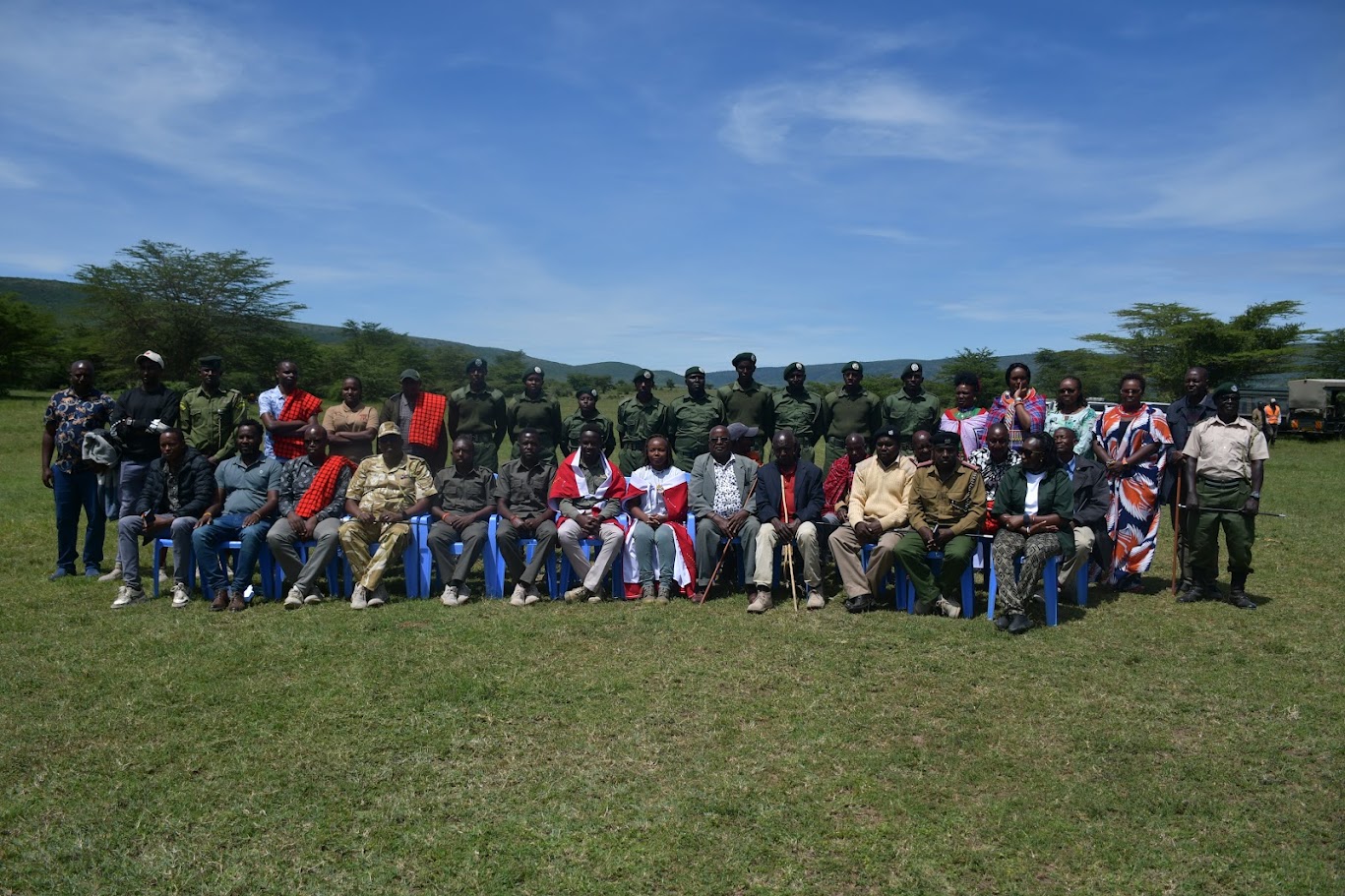
Establish an outstanding ranger team by training the right individuals
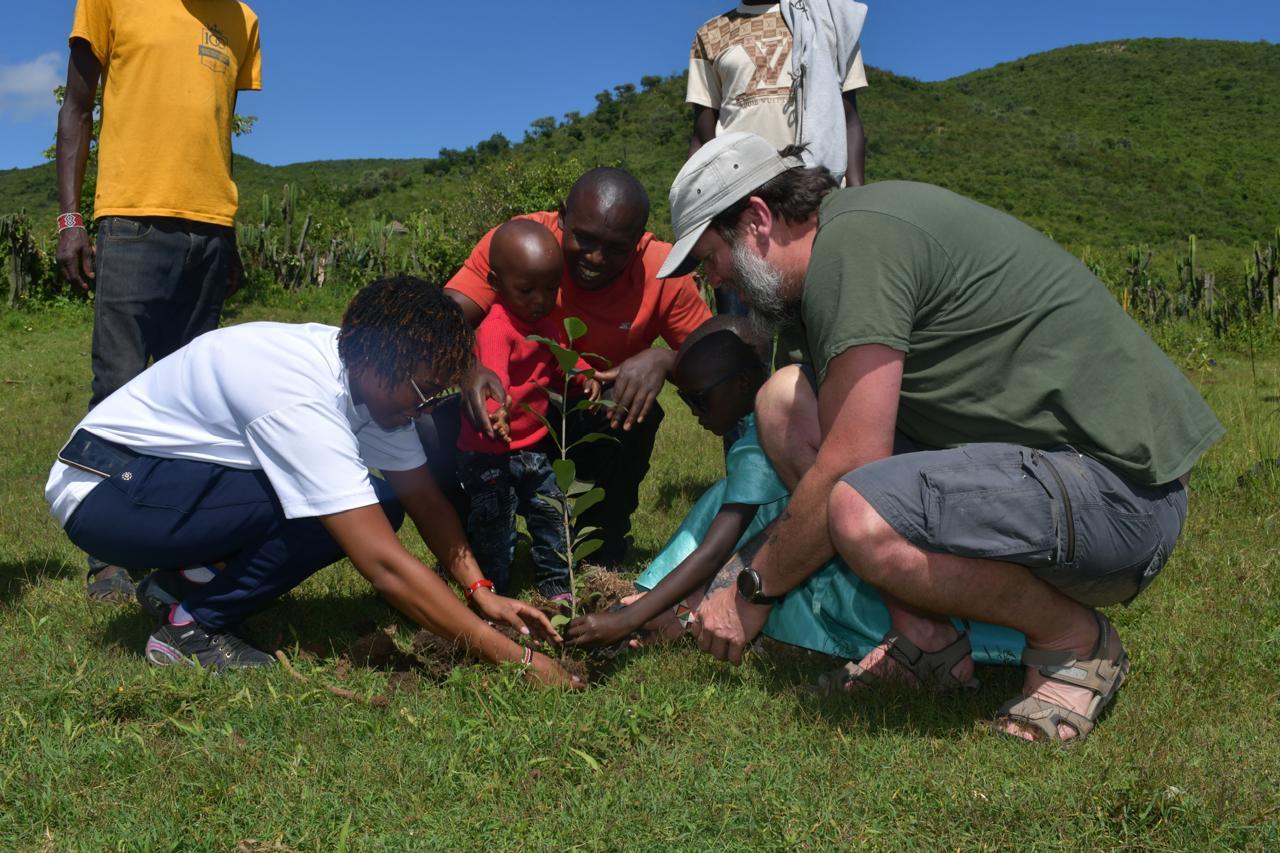
Create opportunities for residents to participate in conservation projects actively
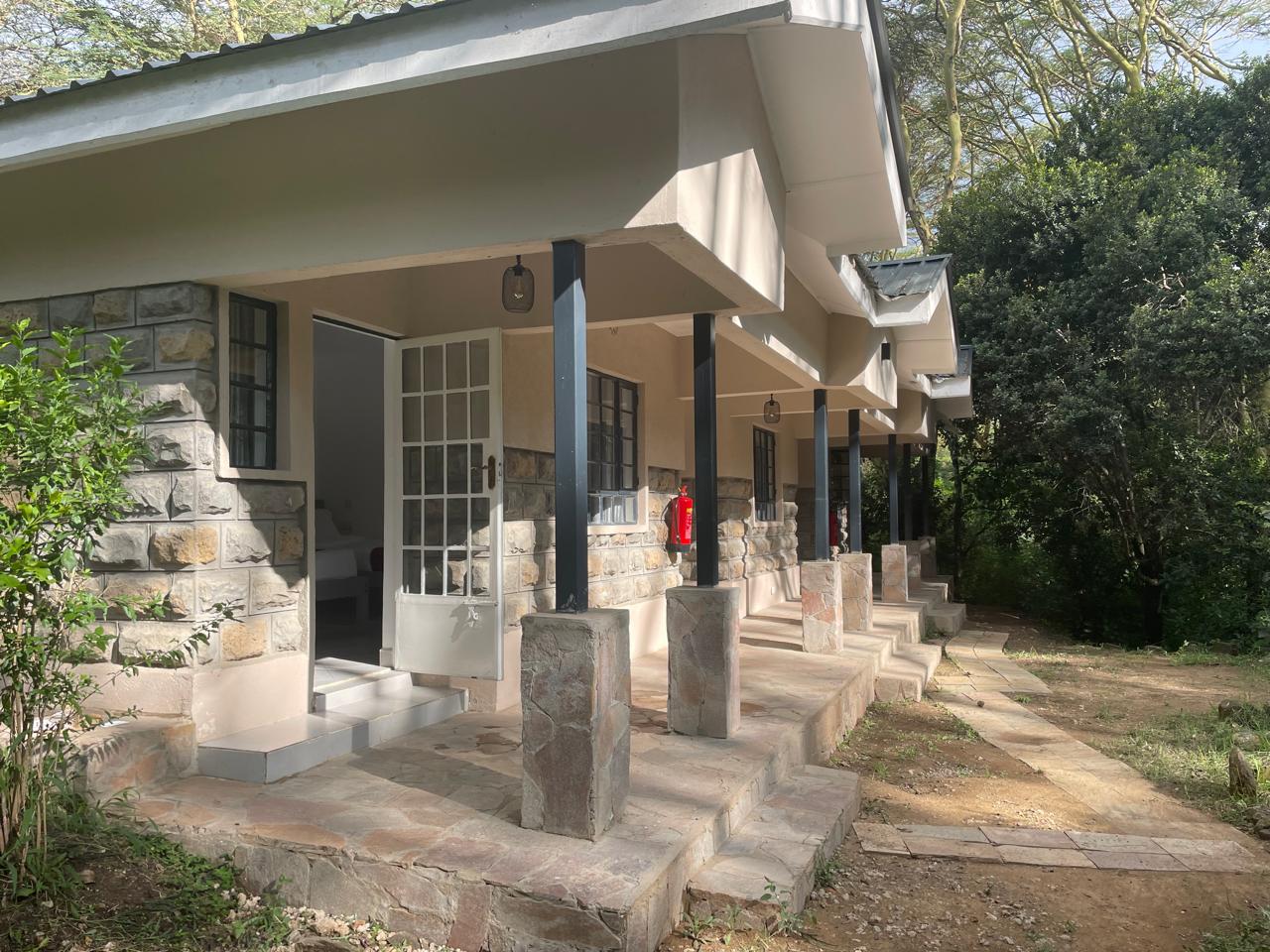
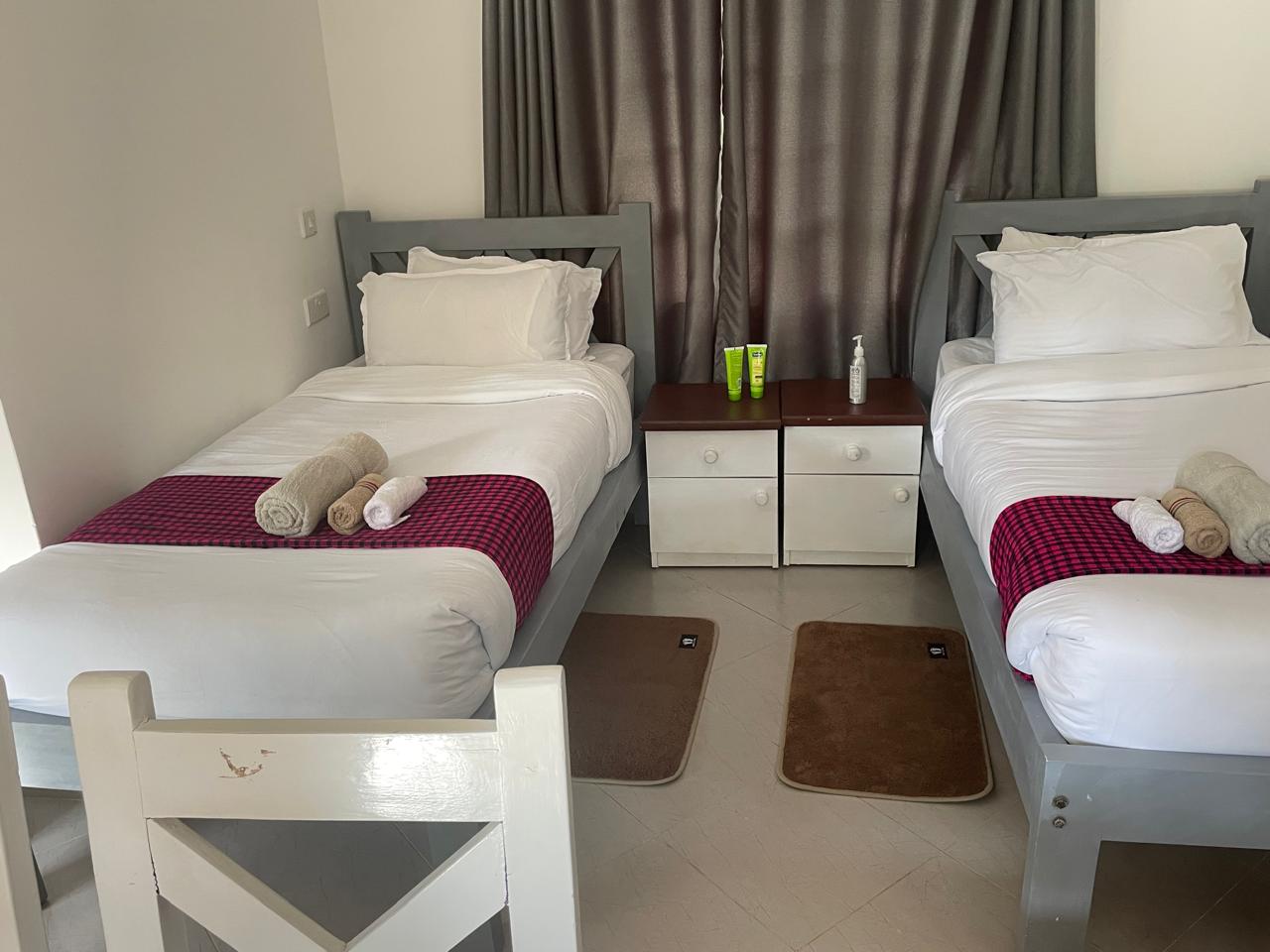
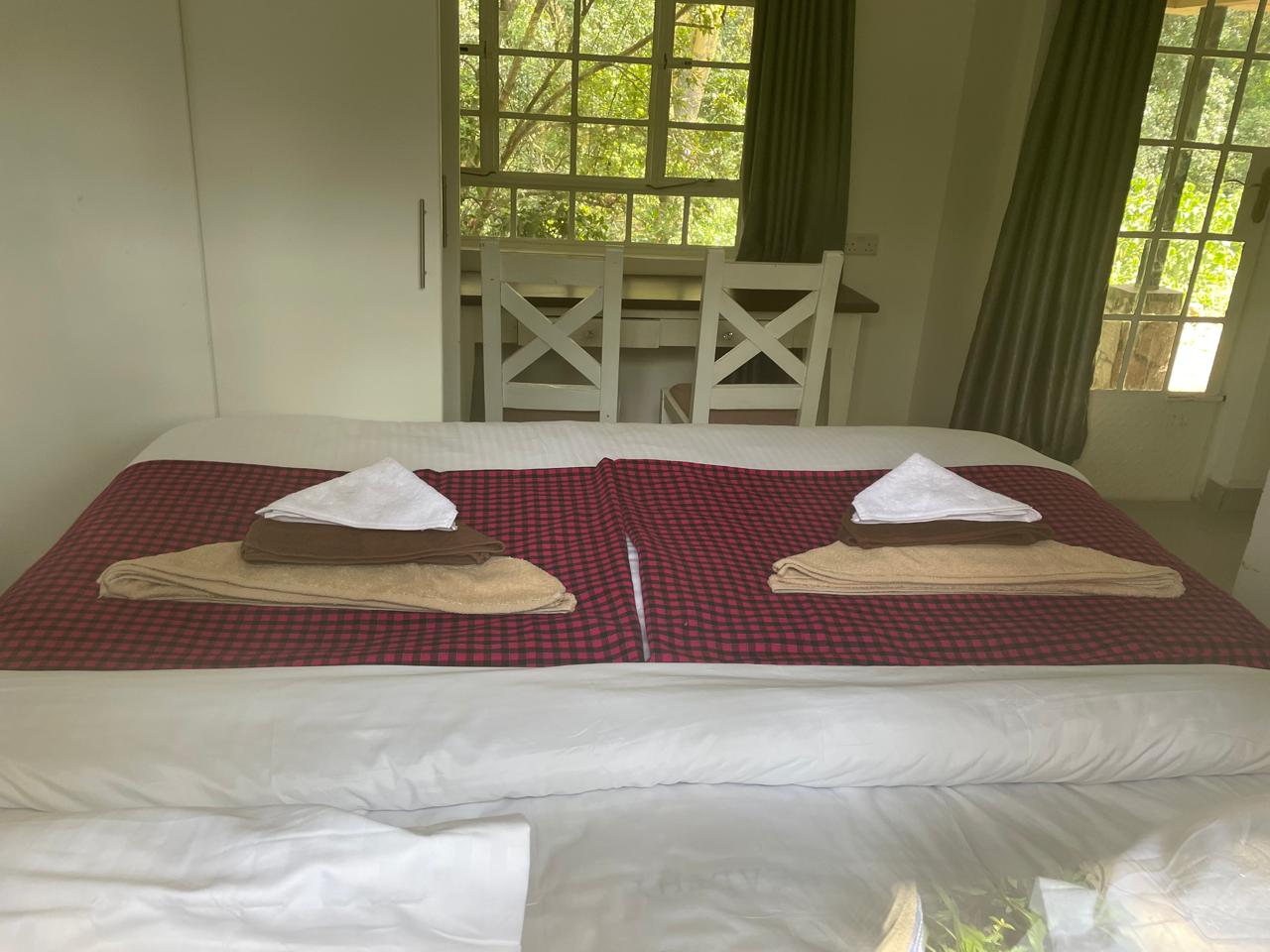
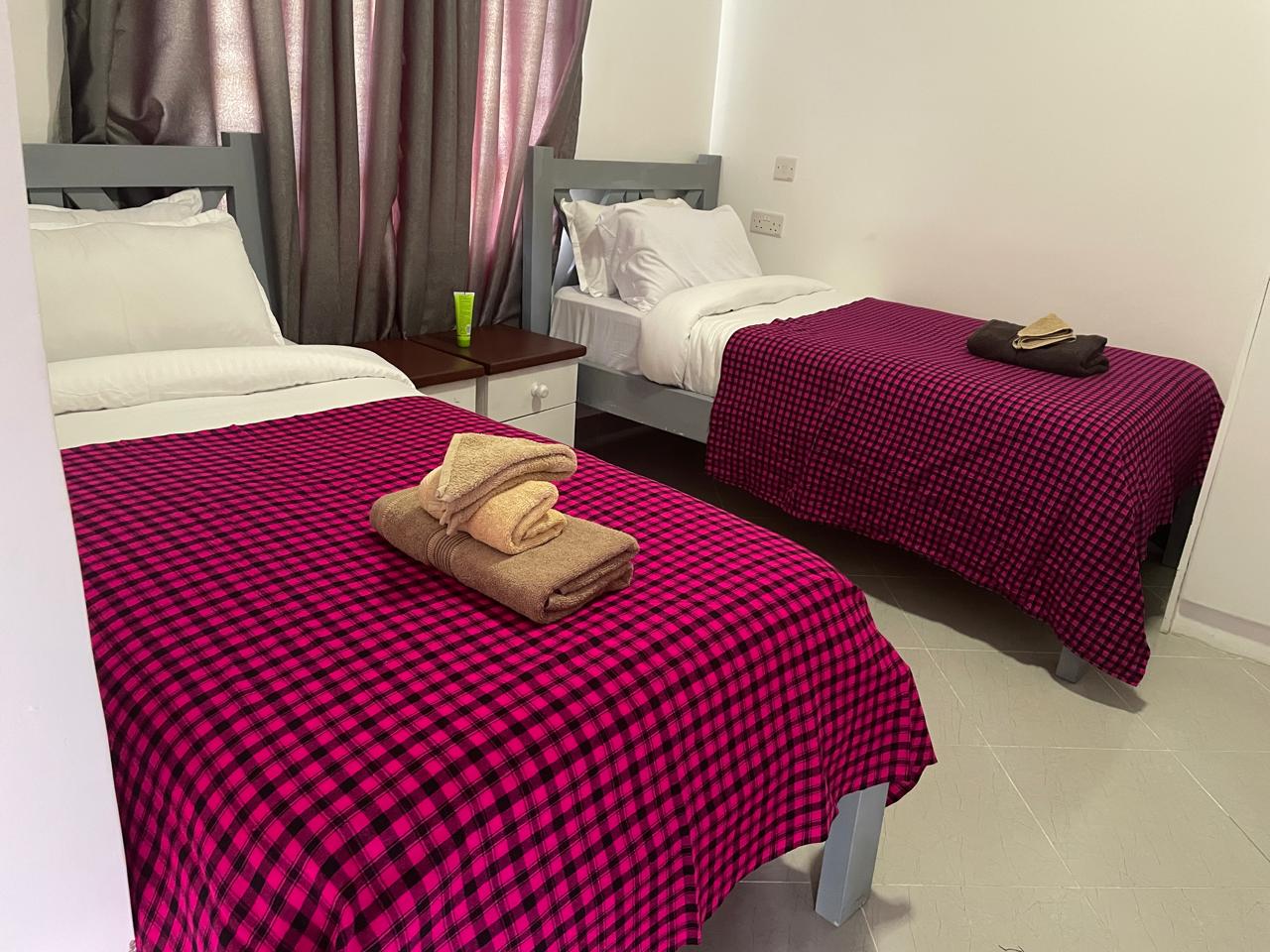
Experience the beauty of the Maasai Mara through thoughtfully designed accommodation surrounded by untouched wilderness. From peaceful landscapes to close wildlife encounters, every stay supports conservation efforts while offering comfort, authenticity, and a deeper connection to nature.
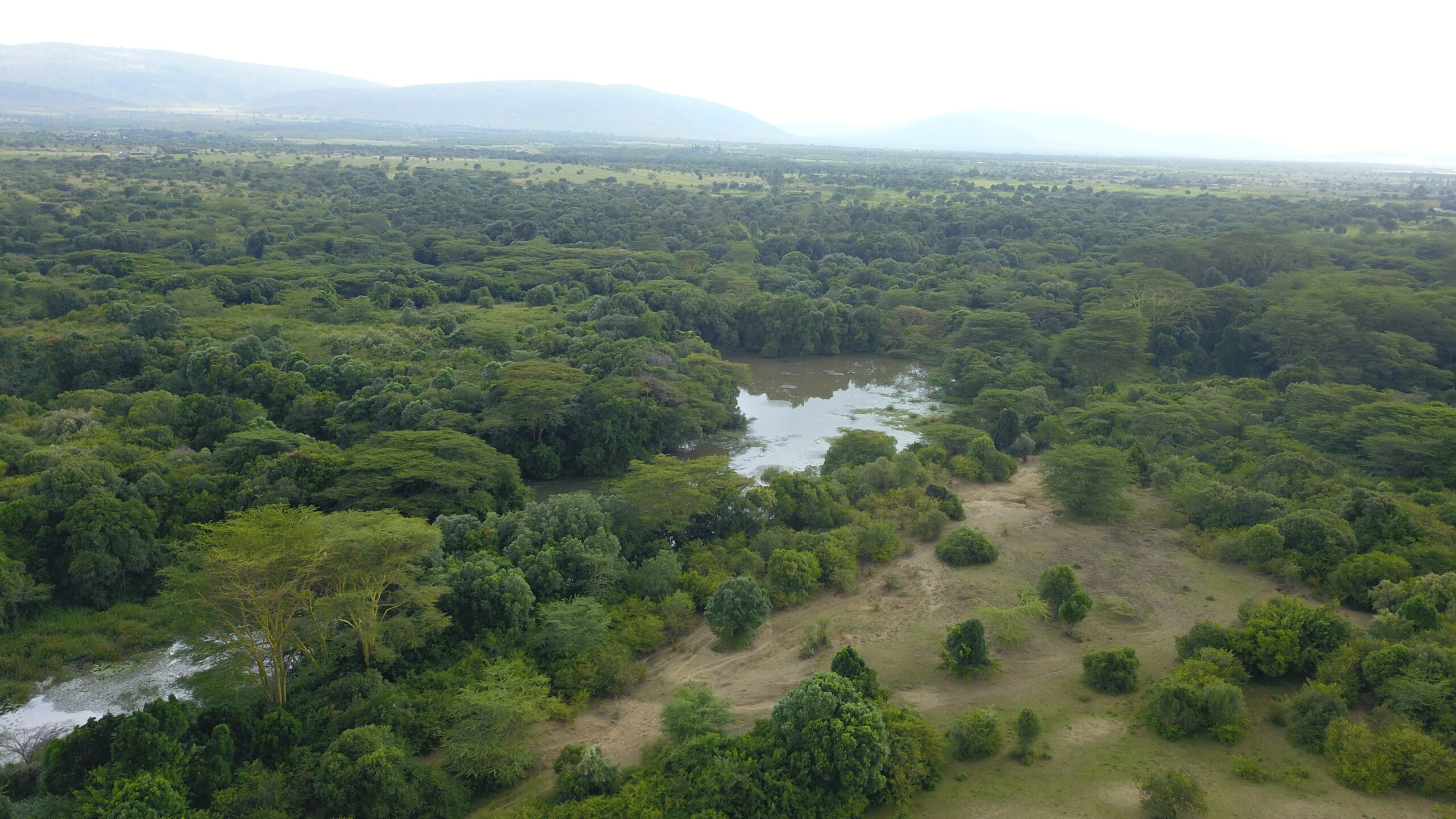
Enarau occupies a unique position as the northernmost conservancy in the Maasai Mara Ecosystem, and with that position comes both opportunity and responsibility. Much of the land now under the conservancy was intensively farmed for over two decades, leaving soils compacted, gullies eroded, and invasive species dominant. Restoration here is active, deliberate work: a tree nursery grows over 4,000 seedlings from 22 indigenous species at any one time, supplying planting programmes across the conservancy and beyond.
The land at Enarau belongs to the Maasai community — it is leased to the conservancy, not taken from it — and that distinction shapes everything about how the conservancy works. Twenty-four community members are employed directly by Enarau, supporting over 120 dependants, while lease payments reach 41 beneficiary households across eleven landowners. The conservancy’s commitment to the community is expressed not just through employment, but through practical interventions in daily life: the rehabilitation of the Kipukeri Spring now provides clean drinking water to twenty households through a community tap, and solar-powered predator deterrent lights installed at nineteen bomas have measurably reduced the livestock losses that most often trigger retaliatory killing of wildlife.
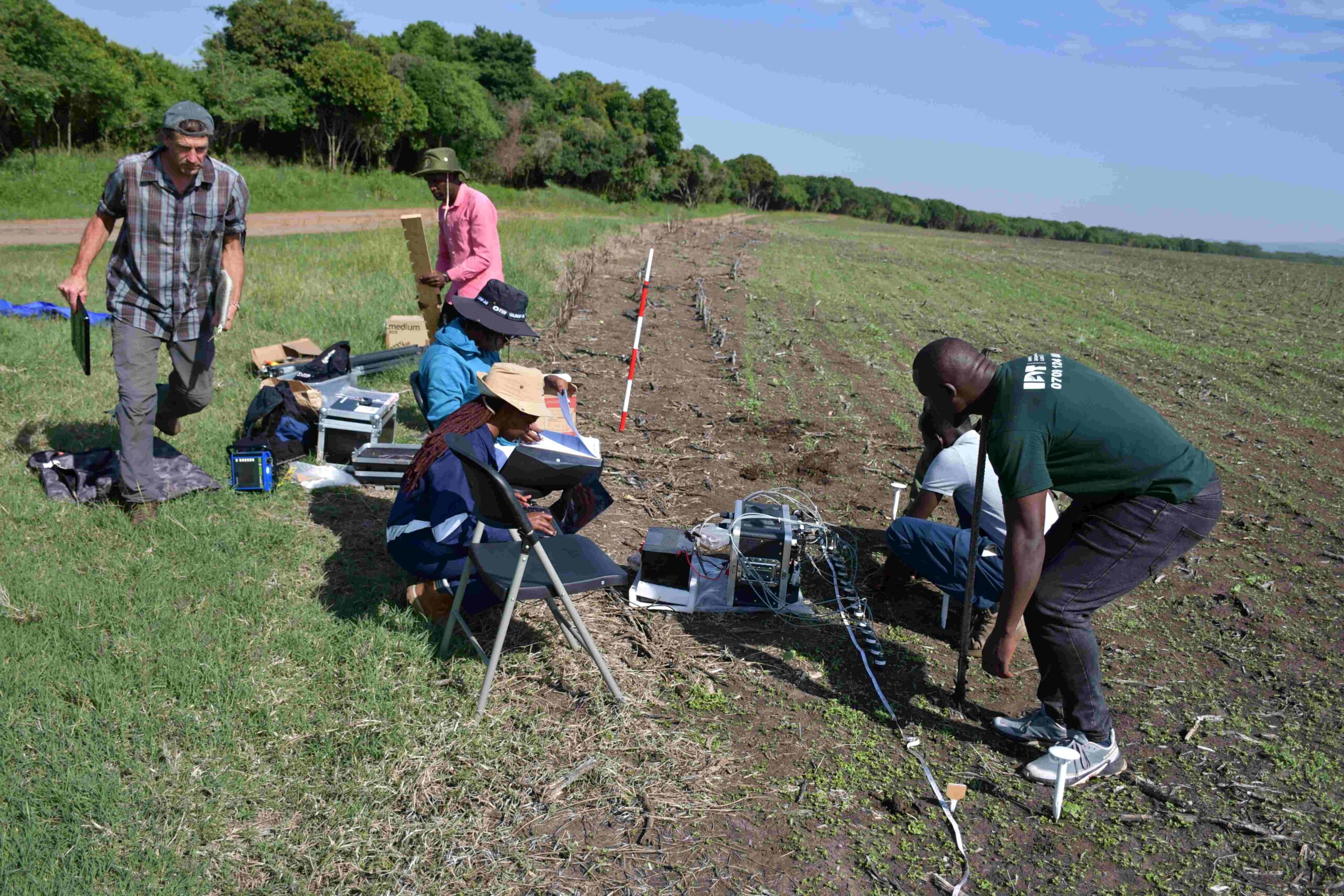
Enarau Conservation Trust runs an active, multi-disciplinary research programme rooted in the belief that good conservation begins with good science. Across the conservancy, researchers monitor mammal populations using camera trap grids and line transects, survey bird diversity, assess soil health and infiltration rates using the Land Degradation Surveillance Framework, and track vegetation succession on ex-arable farmland where over half of recorded herbaceous species are still invasive. Acoustic recorders capture the activity of bats, birds, and reptiles across 200 ecological plots that extend beyond the conservancy boundary, building a long-term picture of how the ecosystem responds to restoration.
The Enarau Conservation Trust newsroom is designed to share our progress in the establishing of a flourishing conservancy, sharing our news, research, analysis, and reporting.

We place a great deal of emphasis on our scientific approach to conservation, and are keen to share as much as we can by way of data and our analysis


As we come together during the festive time of the year, Enarau Conservancy would like to express our sincere appreciation for your continued support in our efforts to safeguard wildlife,
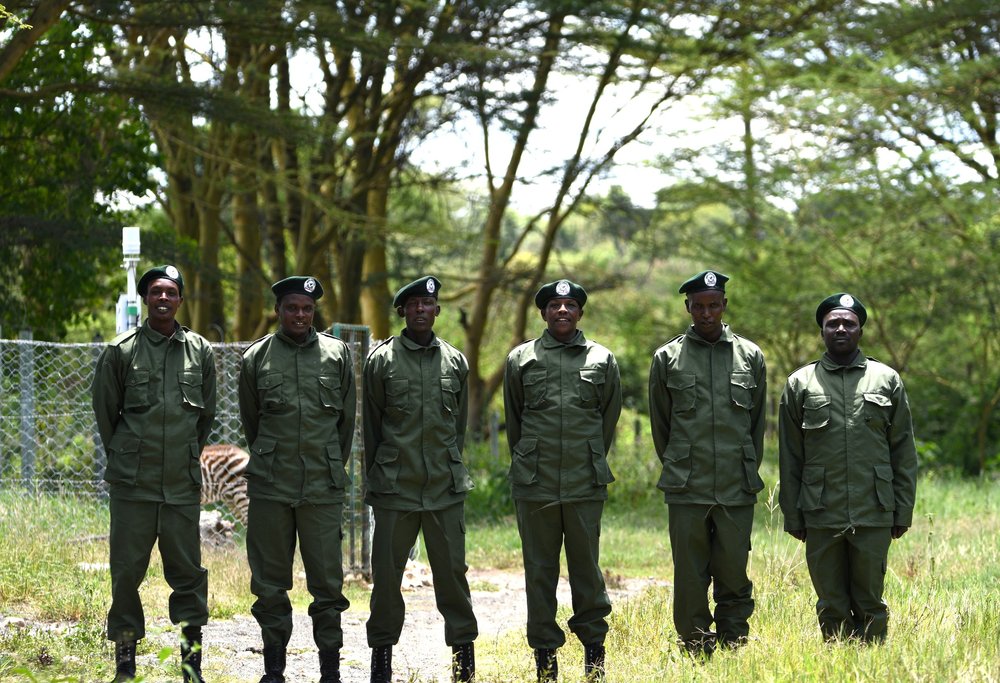
A fundraiser for renovations to Enarau Conservancy HQ in the northern Mara, supporting ranger accommodation, office space, and staff areas for the Conservancy team.